
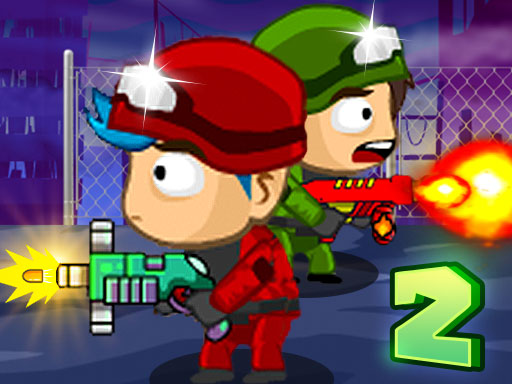
Reviews
Parade Defense 2 offers a light-hearted tower defense experience perfect for families. The cooperative multiplayer for up to three players encourages teamwork and communication. With 10 progressively challenging rounds, turrets, mines, and shields provide strategic depth without any intense content. It is an excellent choice for casual gaming sessions.
Description
Game Introduction
Parade Defense 2 is a light-hearted strategy game where players cooperate to defend a building from approaching waves of playful characters. With each wave, the challenge increases, but teamwork and clever placement of turrets, mines, and shields make the experience fun for all ages. Up to three players can join forces to survive 10 rounds, using bonuses to strengthen their defenses. This game focuses on strategy and coordination without any intense or scary content, making it perfect for families and casual gamers.
How to Play
Choose to play alone or with 2–3 friends. In each round, characters move toward the building. Place turrets along their path, drop mines to slow them down, or use shields to block their advance. Collect bonuses to upgrade your tools. The goal is to prevent any character from reaching the building for all 10 rounds. In multiplayer mode, share resources and cover different areas to maximize your defense. Each round grows more difficult, so adjust your strategy as you go. If a character gets too close, the game ends, but you can restart and try a new approach.
Game Features
Cooperative multiplayer for up to 3 players, strategic tower defense mechanics, a fun and friendly theme suitable for all ages, and 10 progressively challenging rounds.
Tips for Success
To succeed in Parade Defense 2, focus on communication and coordination with teammates. Place turrets in high-traffic areas to maximize damage, and use mines strategically to slow down faster characters. Save shields for critical moments when a character is about to reach the building. Collect bonuses regularly to upgrade your defenses, and adapt your strategy as the rounds become more difficult. Practice each level to learn the best placement patterns.







Comments
Sign in to comment
You must be logged in before posting a review or rating.
No account? Create one
No comments yet. Be the first to comment!