
Reviews
The Lost Records offers a gentle, logic-driven puzzle experience set in a detailed historical research facility. Its environmental storytelling and backtracking-friendly layout encourage thorough exploration without pressure. The absence of combat, jump scares, and time limits makes it accessible to younger players and enjoyable as a shared family activity. The main limitation is that the difficulty curve stays gentle throughout, so players seeking intense challenges may find it too easy.
Description
An Investigator's Assignment
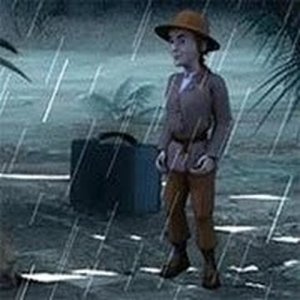
You play as an investigator tasked with finding two missing briefcases that hold important documents. The setting is a fictional research facility from a bygone era, filled with period furniture, faded posters, and old machinery. Instead of cutscenes, the story unfolds through notes, recordings, and the objects you find in each room, so you assemble the events at your own pace.
Observation Over Reflexes
Puzzles rely on careful looking and logical deduction. You might match symbols on a locked box, arrange items in a specific order, or decode a simple cipher found in a diary. Early puzzles introduce mechanics that return in more complex forms later, keeping the difficulty curve gentle. Hints are available if you get stuck, but they never give away the full solution, which keeps the experience accessible for younger players while still offering satisfying challenges for adults.
Exploring the Facility
Exploration is central. Each room contains multiple points of interest, from drawers that open to reveal keys to bookshelves with hidden compartments. Thorough searching pays off: an object that seems unimportant might be the missing piece for a puzzle two rooms away. The layout is linear but allows backtracking, so you can revisit earlier areas when you learn new information. This creates a natural sense of progress as the map gradually opens up.
Atmosphere and Accessibility
Muted colors and soft lighting create a calm, mysterious mood. Objects are clearly rendered, making interactive elements easy to spot without turning the game into a hidden-object exercise. Ambient sounds like distant footsteps, creaking floors, and the hum of old electronics fill the background, while music appears mainly during key story moments. There are no jump scares, combat, or disturbing images, so the mystery stays intriguing rather than frightening. The game can be played alone by children or enjoyed as a shared activity where family members discuss clues together.
Compatibility
FAQ
Comments
Sign in to comment
You must be logged in before posting a review or rating.
No comments yet. Be the first to comment!







Editorial Notes