
Reviews
Little Aviator: Gravity Ring Run stands out by turning a simple concept into an engaging test of timing. The gravitational pull adds a layer of strategy absent from most flying games. Obstacles appear in logical patterns, allowing players to learn and improve. The bright, clean visuals keep the experience stress-free, while the gradual difficulty increase ensures long-term appeal. It is a well-crafted puzzle game that respects the player's time and offers genuine satisfaction upon mastering each orbit.
Description
Orbital Physics at Work
Unlike typical flying games where the sky is flat, Little Aviator: Gravity Ring Run places your aircraft in constant orbit around a small planet. This central body exerts a steady pull on the plane, altering its trajectory and speed. Players must compensate for this force by adjusting throttle and pitch. The result is a flight model that feels distinct from standard aviation titles, offering a fresh challenge for those familiar with simpler aerial games.
Obstacle Patterns and Progression
As the plane completes each full loop, new barriers appear along the orbital path. These obstacles come in varied shapes and placements, requiring quick reactions and careful planning. Early circuits introduce straightforward gaps, while later ones combine multiple hazards in tight sequences. The difficulty curve ramps up gradually, giving players time to understand how gravity affects their turning radius and approach angles.
Visual Style and Atmosphere
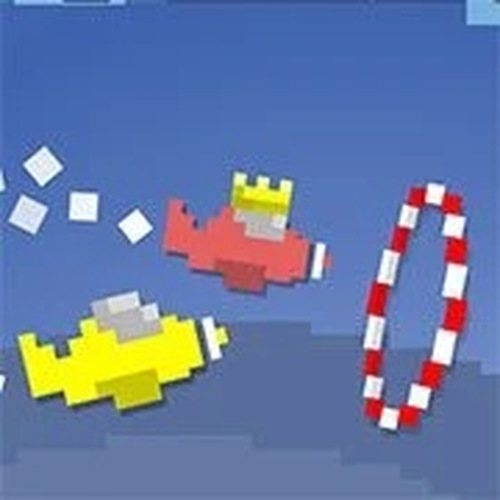
The game presents a bright, cartoon-like aesthetic with a small planet at the center of the screen. Clouds, stars, and subtle particle effects create a calm space environment. The plane leaves a faint trail as it moves, helping players track their path. Colors are warm and inviting, making the experience suitable for younger audiences while still appealing to adults looking for a light puzzle challenge.
Core Feedback Loop
Each attempt provides immediate feedback. A successful orbit rewards the player with a score increase and visual confirmation. Crashes reset the run, encouraging players to learn from mistakes. This loop of try, fail, adjust, and succeed keeps sessions short but engaging. The game does not punish failure harshly, instead promoting a relaxed learning curve that fits well with its family-friendly design.
Accessibility and Controls
The control scheme is minimal, typically involving just a few inputs to steer and adjust speed. This simplicity makes the game easy to pick up for players of all ages. There is no complex menu system or steep learning curve. The focus stays on the core activity: flying around the planet and avoiding obstacles. This design choice ensures that the game remains approachable while still offering enough depth to hold interest over multiple play sessions.





Comments
Sign in to comment
You must be logged in before posting a review or rating.
No account? Create one
No comments yet. Be the first to comment!