
Reviews
Sand Tactics: Desert Command stands out for its thoughtful level design and clear objective system. The map tool is particularly useful, helping players track multiple goals without confusion. Resource management adds meaningful depth without becoming tedious. The gradual difficulty increase keeps the experience accessible while still offering satisfying challenges for those who enjoy tactical thinking. A solid choice for family game time.
Description
Command Structure
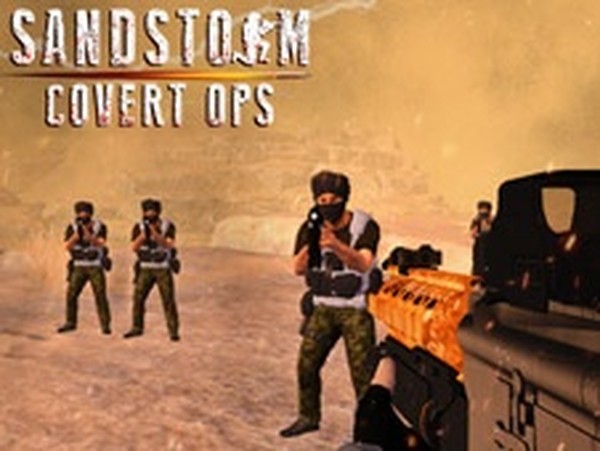
Players assume leadership of a small group working through a series of sandy environments. Each stage presents a set of goals that must be completed before moving forward. These objectives often involve locating missing personnel, collecting scattered supplies, or reaching designated extraction points. The desert setting creates natural obstacles like shifting sands and limited visibility, requiring thoughtful route selection rather than simple forward movement.
Navigation Tools
A compact map display in the corner of the screen provides real-time information about team member positions and potential threats. This tool becomes essential for plotting efficient paths and avoiding unnecessary confrontations. Players can mark waypoints and adjust their approach as new information appears. The map also helps track which objectives remain unfinished, allowing for quick reassessment of priorities.
Resource Handling
Managing limited supplies forms a core part of the experience. Health packs and ammunition can be found scattered throughout each area, but they appear in fixed quantities. Deciding when to pick up these items versus saving them for later challenges adds a layer of strategic thinking. Players must balance immediate needs against future demands, especially during longer missions where resources become scarce.
Team Coordination
Communication features allow players to issue simple commands to allied characters. These interactions help coordinate movements when facing multiple objectives simultaneously. The game encourages cooperative problem-solving rather than lone-wolf approaches. Success often depends on positioning team members to cover different angles or to provide support during critical moments.
Progressive Difficulty
Later stages introduce more complex terrain layouts and additional objectives that must be completed within tighter constraints. The difficulty curve feels natural, with each new area building on skills learned in previous ones. Players who take time to learn the mechanics early will find later challenges manageable but still engaging. The game avoids sudden spikes in difficulty, maintaining a steady progression that keeps frustration low.







Comments
Sign in to comment
You must be logged in before posting a review or rating.
No account? Create one
No comments yet. Be the first to comment!